
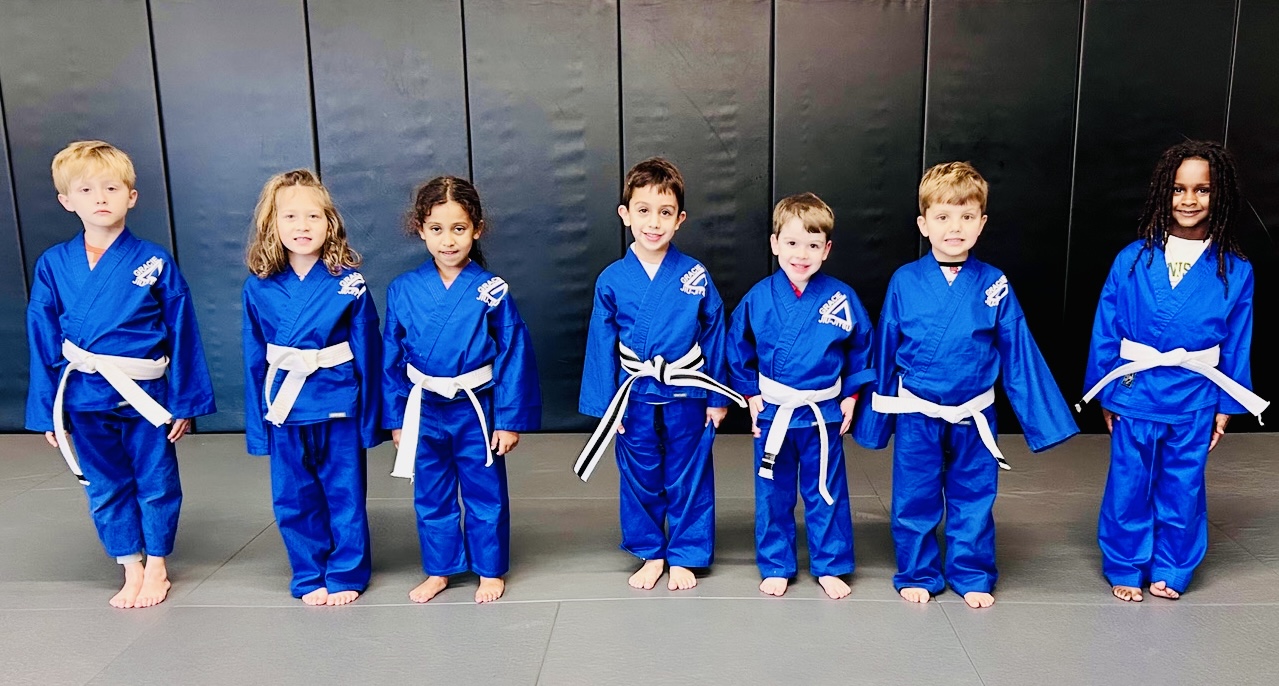
What Age Can Kids Start Brazilian Jiu-Jitsu? A Parent's Guide
If you're a parent in Sandy Springs wondering whether your child is old enough for Brazilian Jiu-Jitsu (BJJ), you're asking one of the most common questions we hear. The short answer: most kids can start jiu-jitsu as early as age 4. But the more useful answer depends on your child — and on finding a program built for their age group.
Here's everything you need to know before signing your child up.
The short answer: most kids can start at 4
Most reputable kids' BJJ programs accept students starting at age 4, with classes grouped by age and ability. At Imperatori Martial Arts, our youngest group is built for ages 4–6, where the focus is less on competition and more on coordination, listening skills, and having fun on the mat.
There's no single “perfect” age to start jiu-jitsu. Children who begin at 4 build a foundation early, while kids who start at 8, 10, or even 12 pick up the techniques quickly because they're stronger and more focused. It's rarely too late — and almost never too early, as long as the class is age-appropriate.
What to expect by age group
Good kids' programs don't teach 5-year-olds the same way they teach 11-year-olds. Here's how it typically breaks down:
Ages 4–6 (Little Tigers / Tiny Champs): Classes at this age are about movement, balance, and following directions. Kids learn basic positions through games, develop body awareness, and — just as importantly — learn to take turns, listen to a coach, and be part of a team. Don't expect a lot of “technique” yet. Expect a child who comes home tired, smiling, and a little more confident.
Ages 7–9: Now kids can grasp real technique — escapes, basic submissions, and positional control. This is often where the “lightbulb” moment happens and a child falls in love with the sport. Discipline and focus improve noticeably, which is why so many parents tell us they see the difference at school and at home.
Ages 10–12: Older kids can handle more advanced sequences, light controlled sparring (called “rolling”), and, if they want, their first local competitions. This age group builds serious self-defense skills and the kind of resilience that comes from learning to stay calm under pressure.
Across every age group, our coaches focus on effort, not perfection. Kids are encouraged to try hard, keep showing up, and improve at their own pace — not to get every move right the first time. That mindset is what keeps young students confident and excited to come back.
Is jiu-jitsu safe for young children?
Yes — and it's one of the reasons BJJ is so popular with parents. Unlike striking arts, jiu-jitsu has no punching or kicking. It's based on grappling, leverage, and control, so kids learn to defend themselves and neutralize a situation without throwing strikes. In a properly run kids' class, sparring is light, supervised, and matched by size and age.
It's also one of the best tools for a child who's being bullied. Jiu-jitsu teaches kids how to stay safe and in control without escalating — exactly the kind of confidence that makes them less of a target in the first place.
Signs your child is ready
You don't need a checklist, but these are good indicators your child will thrive:
- They can follow simple instructions from an adult who isn't a parent
- They enjoy active, physical play
- They're comfortable being away from you for 30–45 minutes
If your child isn't quite there yet, that's fine — a free trial class is the easiest way to find out. Many kids who seem shy at the door are running to the mat by their second visit.
What jiu-jitsu does for kids beyond self-defense
Parents come for the self-defense and stay for everything else. Consistent BJJ training builds:
- Focus and discipline that carries over to the classroom
- Confidence from setting goals and earning belts
- Physical fitness without it feeling like exercise
- Respect and friendships in a structured, supportive environment
Frequently asked questions
What is the youngest age to start jiu-jitsu?
Most programs start kids at 4. Some accept 3-year-olds in a modified “movement” class, but 4–5 is the typical entry point.
Is 10 or 12 too old to start jiu-jitsu?
Not at all. Older kids progress quickly because they're stronger, more coordinated, and better able to focus. Plenty of kids start in middle school and excel.
How do belt promotions work for kids?
Every child starts with a white belt. Earning the next belt typically takes at least six months of consistent attendance — but kids stay excited along the way by earning stripes on their belt as they progress. Promotions aren't based on attendance alone; coaches also consider a child's behavior in class and at home, and we coordinate with parents to make sure a promotion is the right move for their child at that time.
Do they need any experience or equipment?
No experience needed. For a first class, comfortable athletic clothing is fine; we'll talk about a gi (uniform) once your child decides to continue.
Ready to try a class in Sandy Springs?
The best way to know if your child is ready is to let them try. Imperatori Martial Arts offers kids' Brazilian Jiu-Jitsu classes for ages 4–12 right here in Sandy Springs, with coaches who specialize in working with children.
Imperatori Martial Arts is a martial arts studio in Sandy Springs, GA offering Brazilian Jiu-Jitsu and martial arts programs for children ages 4–12.